
©ORT SUD

Léiffrächen

Where? Rue de la Forêt, L-3620 Kayl

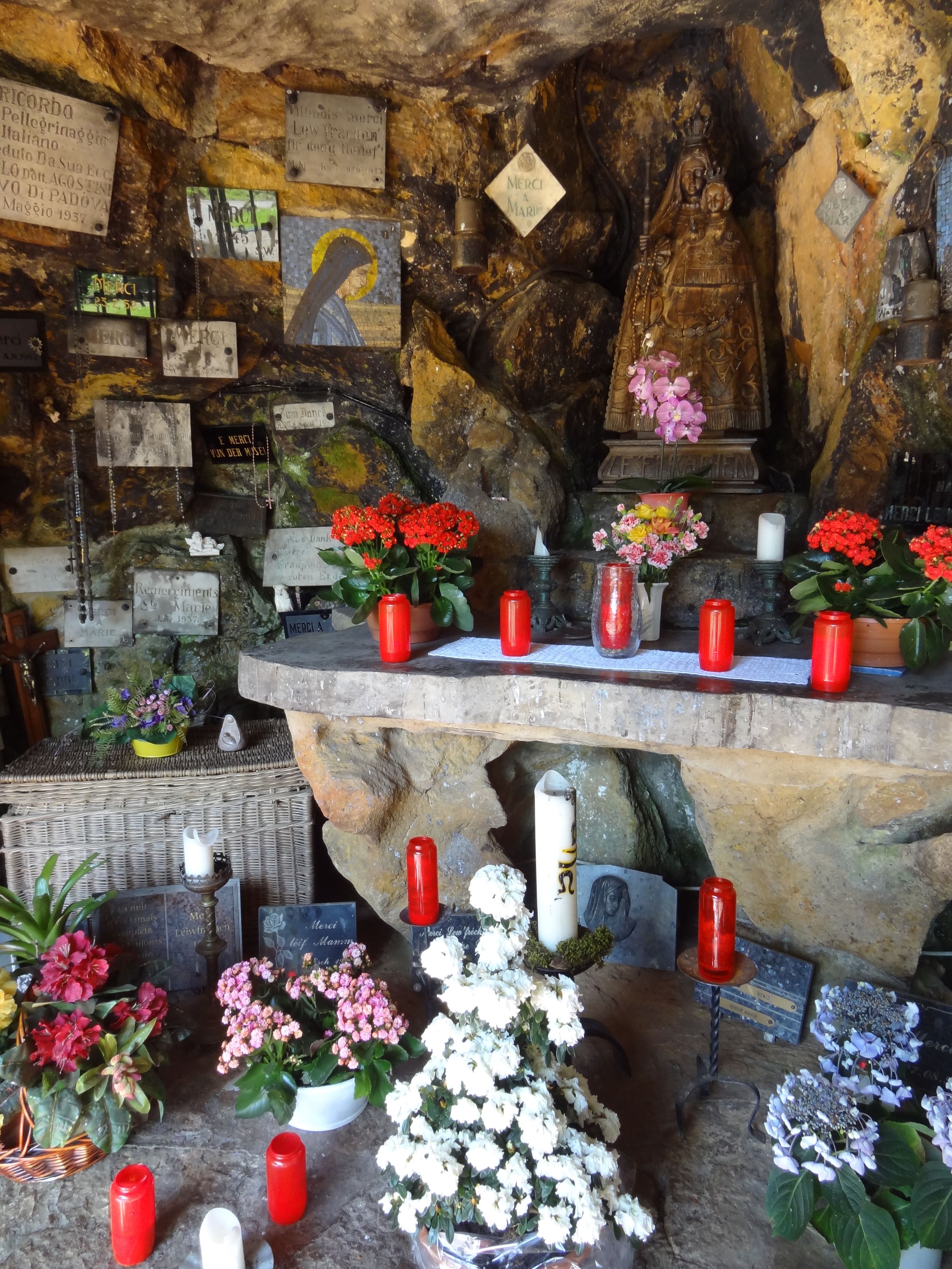
The "Léiffrächen" in Kayl is a national place of pilgrimage and memorial

A small chapel in a grotto in which the "Léiffrächen", a statue of Mary which is seen as the second patron saint of miners, is honored; Over time, the place of faith has become an important place of pilgrimage and is inextricably linked with the Luxembourg mining industry and the local mining families.


Practical information

  • Accessible to all

Culture info

  • History

Contact

Address: Visit Minett
Rue de la Forêt
L-3620 Kayl
Show on map

More sites

©Ville d'Esch
Le Fonds Belval - "Massenoire" building
An exhibition space like no other.
Find out more
©Pulsa Pictures
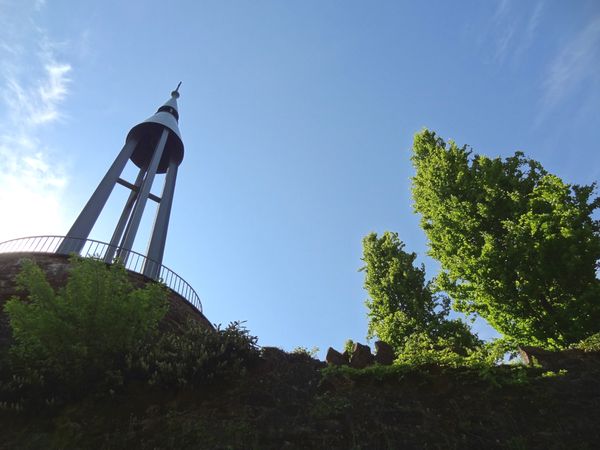
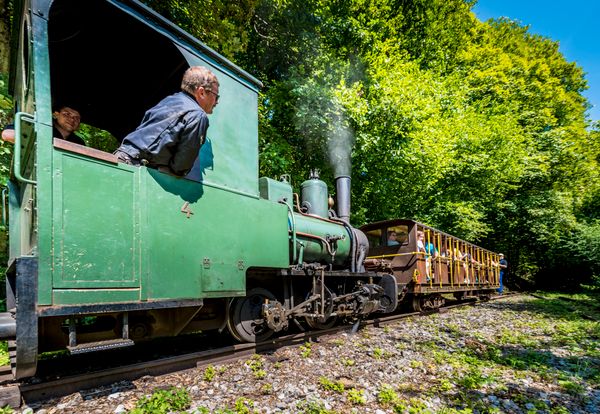
Minett Park Fond-de-Gras
The Minett Park Fond-de-Gras is an open-air museum that includes the Fond-de-Gras, the village of Lasauvage, the former open-cast mine of Giele Botter and the Celtic oppidum of Titelberg.
Find out more
©Ville d'Esch
Architecture Trail in Esch-sur-Alzette
The Architectural Walk allows you to discover the variety of architecture in Esch, including the city’s Art Nouveau and Art Deco heritage.
Find out more
©Esch2022
Le Fonds Belval - "Möllerei" building
Find out more
©ORT SUD
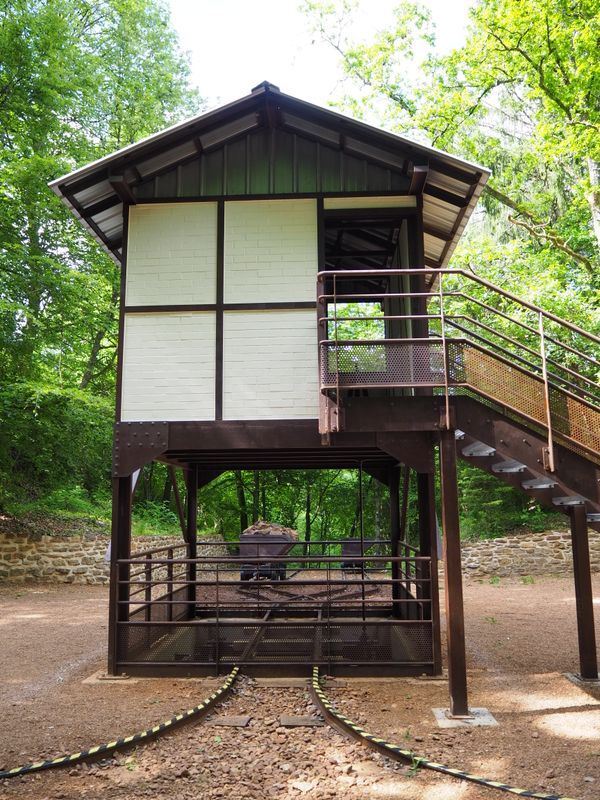
Minière Langenacker - Bremshäischen
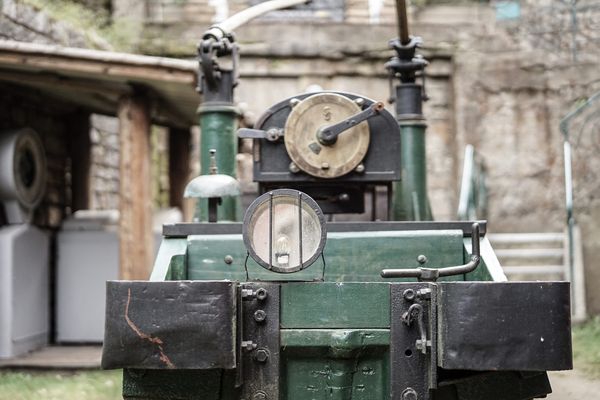
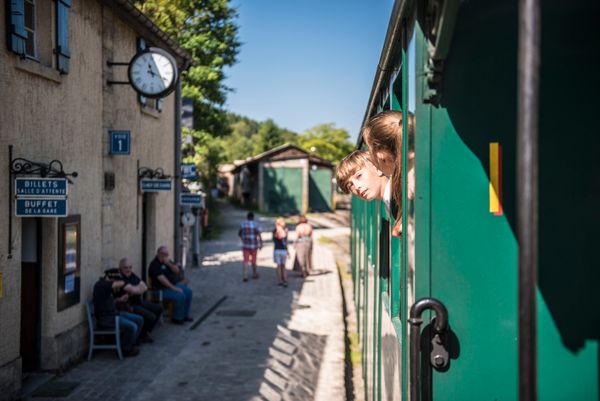
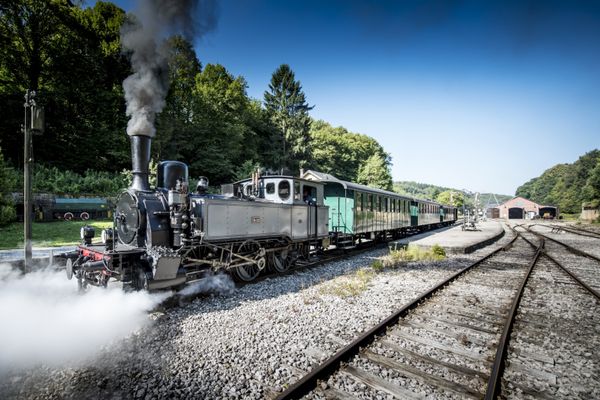
A monument of transport technology
Find out more
©ORT SUD
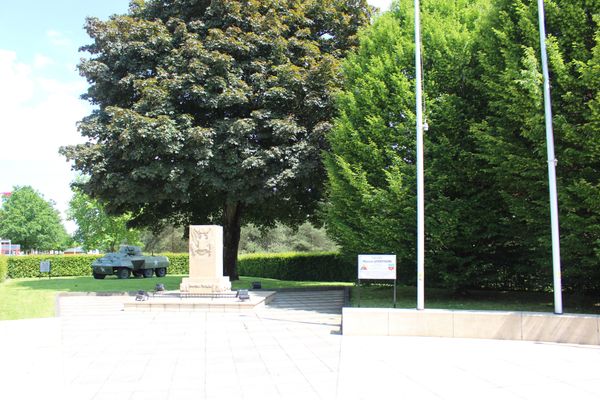
Square Hyman Josefson
This memorial is dedicated to 2nd. Lt. Hyman Josefson, the first US casualty in Luxembourg during World War II
Find out more
©Espace Muséologique Lasauvage
Espace Muséologique de Lasauvage
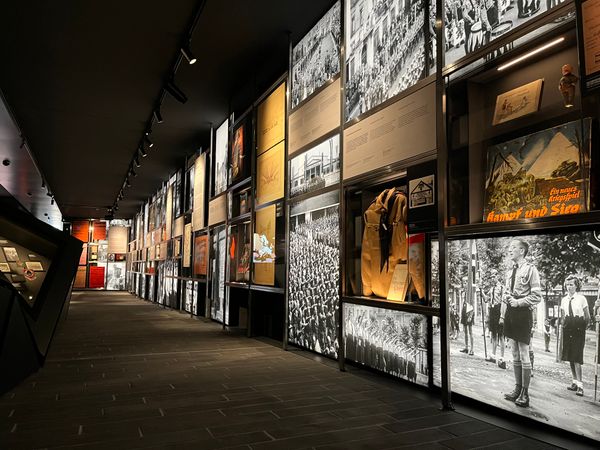
This life-size reconstruction takes you back to the days of the Second World War when a group of young Luxembourgers hid in a mine to escape the obligation to serve in the German army and wear the Nazi uniform.
Find out more
©Ville d'Esch
Museum of the Cockerill Mine at Ellergronn
Exceptional legacy from the mining era
Find out more
©Escher Kulturlaf Asbl
free
with theLuxembourgPass
Blast Furnace Belval
At the heart of this newly transformed quarter of the city, which comprises the modern campus of the University of Luxembourg, you can see the imposing remnants of the iron ore industry that drove the economy of Luxembourg more than 100 years ago.
Find out more