

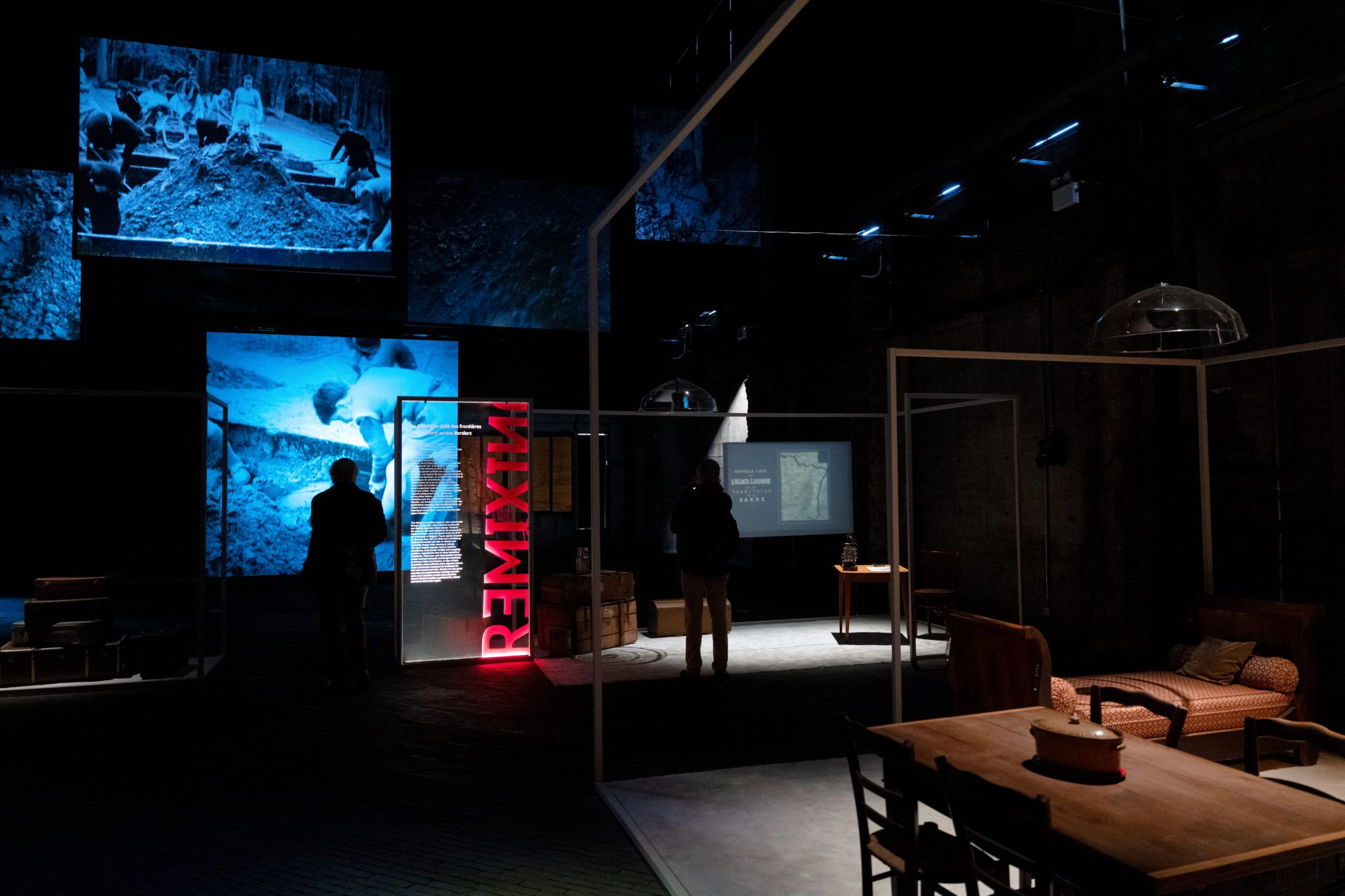
©Ville d'Esch

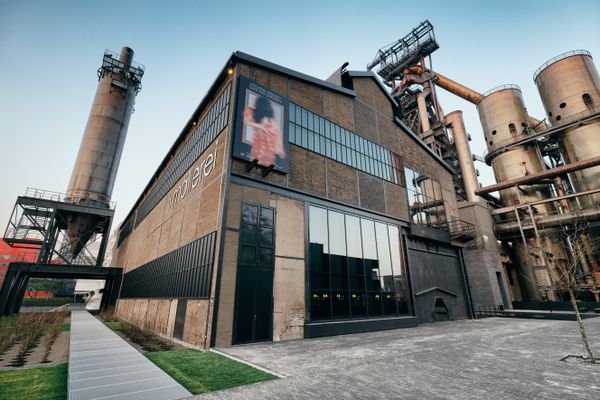
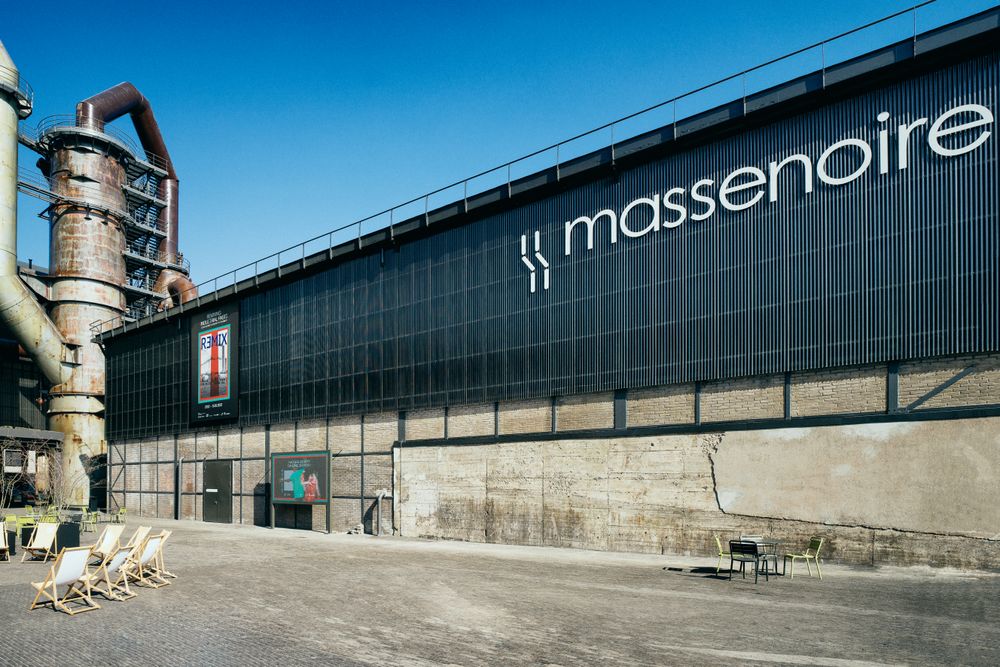
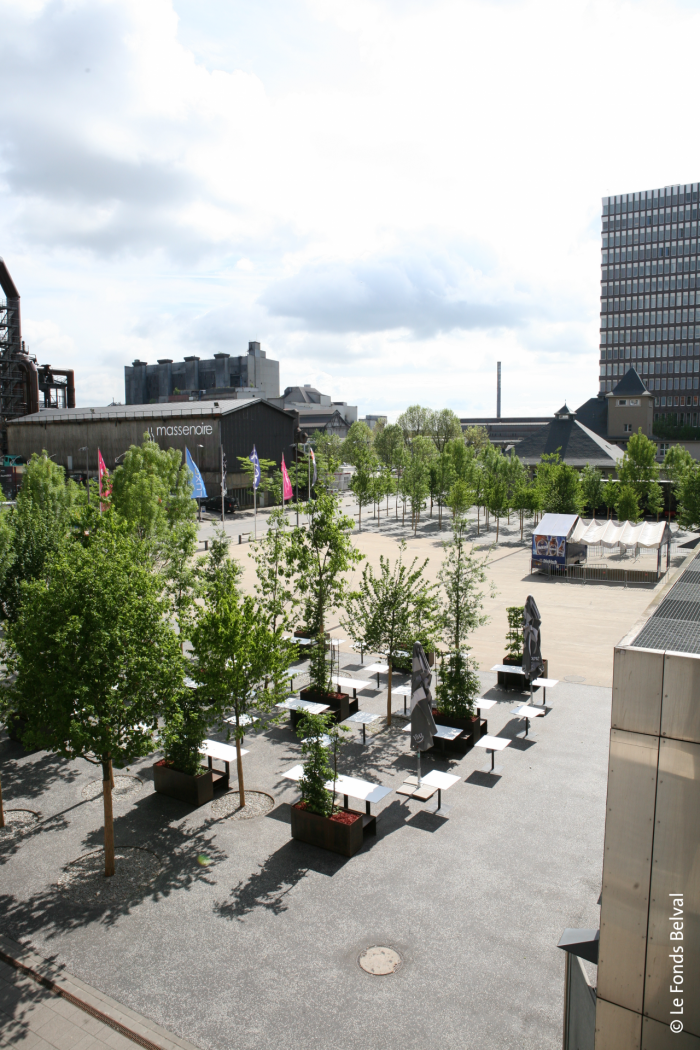
Le Fonds Belval - "Massenoire" building

Where? Avenue du Rock'n'Roll, L-4361 Esch-sur-Alzette

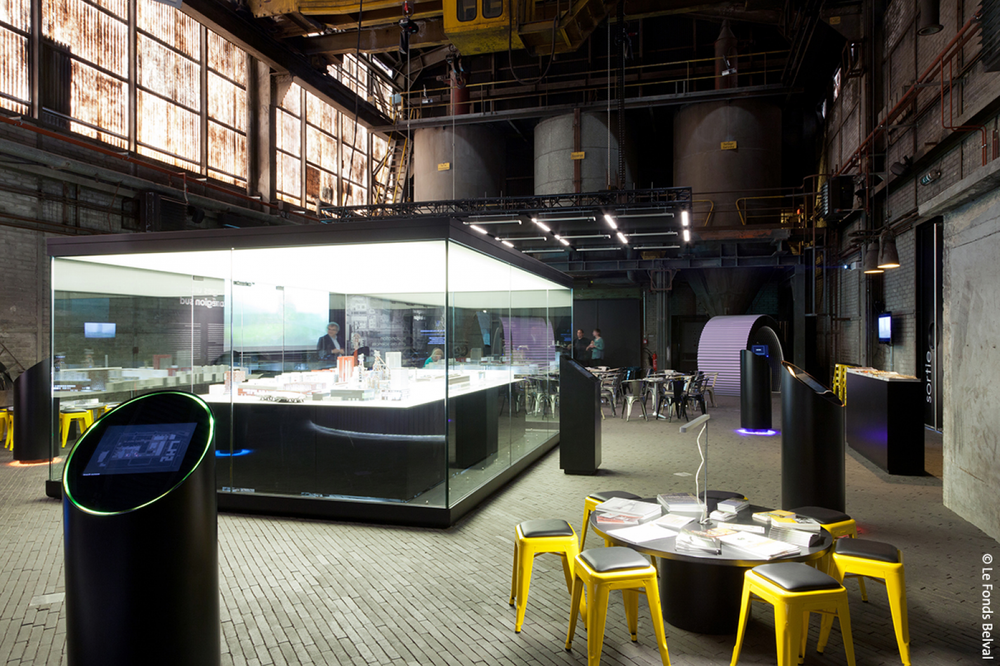
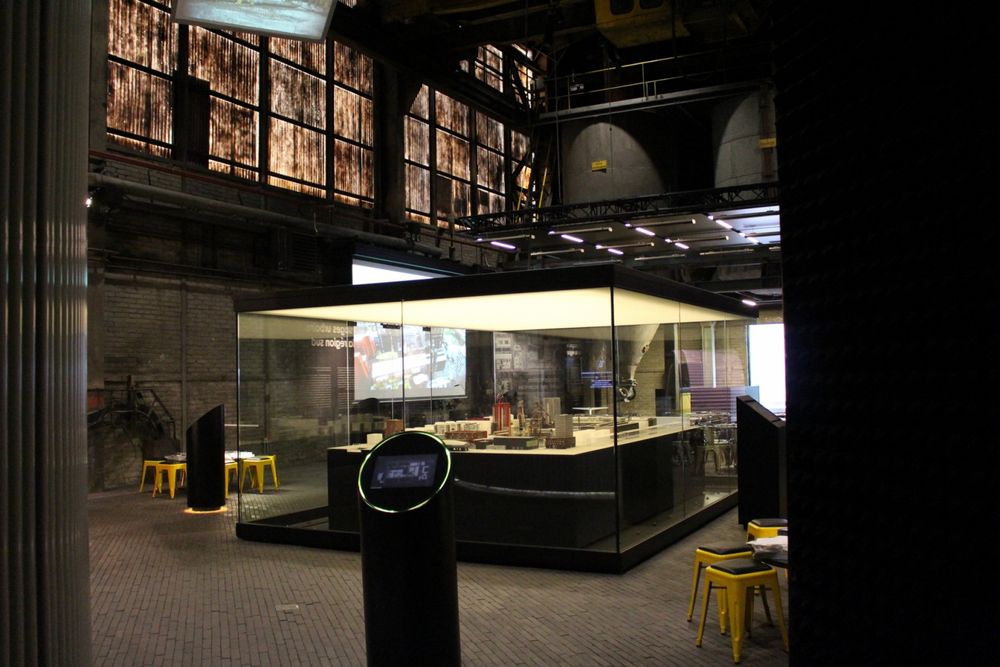
An exhibition space like no other.

This special exhibition space takes its name from the heaps of black matter (masse noire in French), which was the compound used to close the tap holes of the blast furnaces that produced industrial metals during the 20th century. Now that the building is no longer the site of industry, Massenoire is used for events related to the industrial heritage of Esch.

Opening hours

Opening hours are subject to change. Please check them before your visit in order to be sure.
TuesdayClosed
Wednesday01.07.2026 : 11:00 - 19:00
Thursday02.07.2026 : 11:00 - 19:00
Friday03.07.2026 : 11:00 - 19:00
Saturday04.07.2026 : 11:00 - 19:00
Sunday05.07.2026 : 11:00 - 19:00
Monday06.07.2026 : 11:00 - 19:00

Contact

Address: Massenoire
Avenue du Rock'n'Roll
L-4361 Esch-sur-Alzette
Show on map

More sites

©Musée National des Mines
free
with theLuxembourgPass
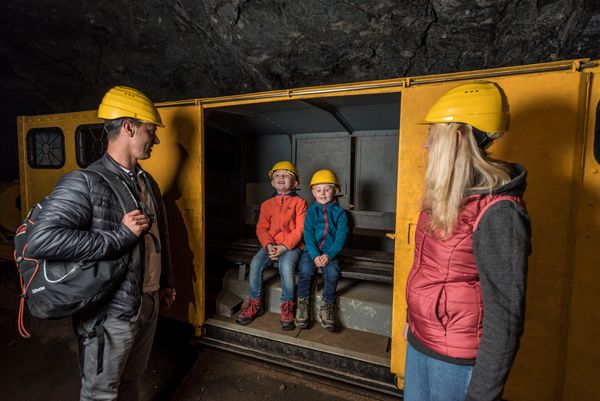
National Mining Museum
Life underground
Find out more
©Galleria 610
Galleria 610
The fine art of automotive forms
Find out more
©Pulsa Pictures
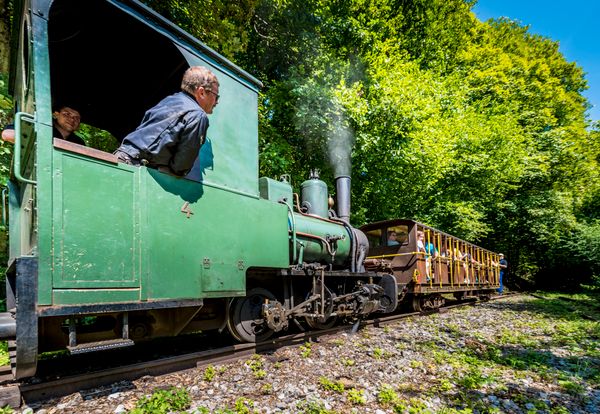
Historical steam train "Train 1900"
Fancy a journey back in time ?
Find out more
©ORT SUD
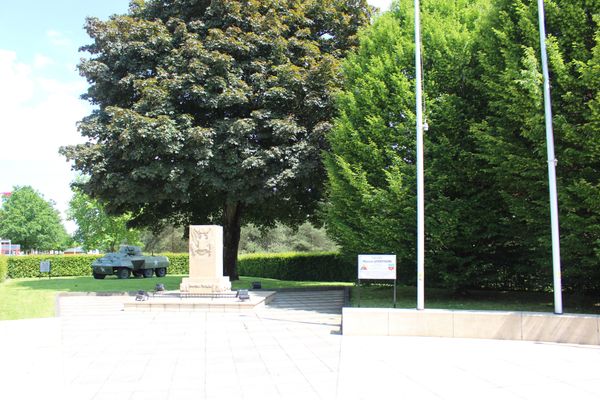
Square Hyman Josefson
This memorial is dedicated to 2nd. Lt. Hyman Josefson, the first US casualty in Luxembourg during World War II
Find out more
©Pulsa Pictures
Minett Park Fond-de-Gras
The Minett Park Fond-de-Gras is an open-air museum that includes the Fond-de-Gras, the village of Lasauvage, the former open-cast mine of Giele Botter and the Celtic oppidum of Titelberg.
Find out more
©mnr
Memorial spots in Esch-sur-Alzette
Never forget
Find out more
©Pulsa Pictures
Mine train Minièresbunn
A little time travel journey through the galleries of the Fond-de-Gras
Find out more
©Steichencollections CNA
Waassertuerm + Pomhouse
Exhibitions in the heart of Luxembourg’s industrial heritage
Find out more
©Jean Reitz
Regional Museum of forced conscription
This regional museum focuses on the complex history of forced recruitment during the Nazi occupation of Luxembourg and provides a poignant insight into the suffering of the Dudelange population during the war.
Find out more